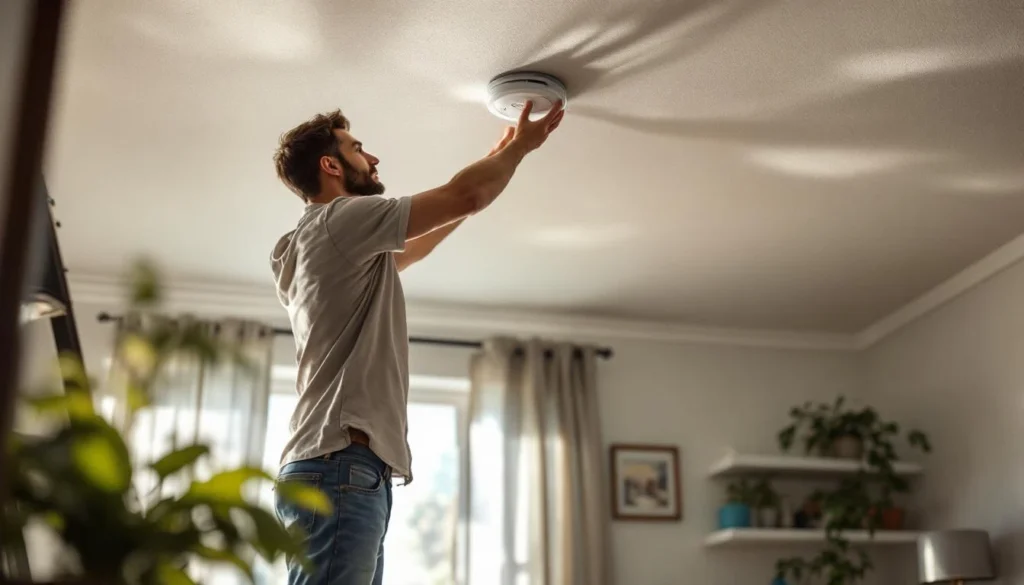
A classic smoke detector warns you when you're home. That's good, but it's its only advantage over a connected detector. If you're absent when the alarm goes off, you don't know.
A connected detector sends you a notification on your phone wherever you are. That's the difference between coming home to find the damage, and being able to call emergency services from the other side of the world.
The Features That Change Everything
Remote alerts: this is the main reason to go connected. You're at work, traveling, at a friend's house — you receive a notification immediately if a detector goes off. Some models specify which unit is involved ("kitchen detector") to help you assess the situation.



Interconnection: connected detectors can communicate with each other. If the kitchen one detects smoke, all others in the house trigger simultaneously. Very important for a multi-level home or for people with reduced mobility who might not hear an alarm from another room.
Low battery alerts: no more waiting for the annoying beep from a detector running low at 3 AM. The app notifies you in advance, generally several weeks before.
Remote testing: testing a classic detector means getting up, going under the device with a step stool, and pressing the button. With a connected model, the test launches from the app in seconds.
Smoke or CO: Both Are Necessary
Carbon monoxide (CO) is an invisible, odorless gas produced by incomplete combustion. Gas heating, fireplace, generator, vehicle in a closed garage. Poisoning symptoms (headaches, nausea, drowsiness) resemble the flu and are often attributed to something else, which delays reaction.
Detectors combining smoke and CO are more convenient than separate installations. Some high-end models also add steam detection (for kitchens) to reduce false alarms from cooking.
Regulations in Quebec
In Quebec, the law requires a functional smoke detector in every dwelling. CO detectors are mandatory in dwellings with combustion heating (gas, oil, wood). UL certification is generally the reference standard to ensure device compliance.

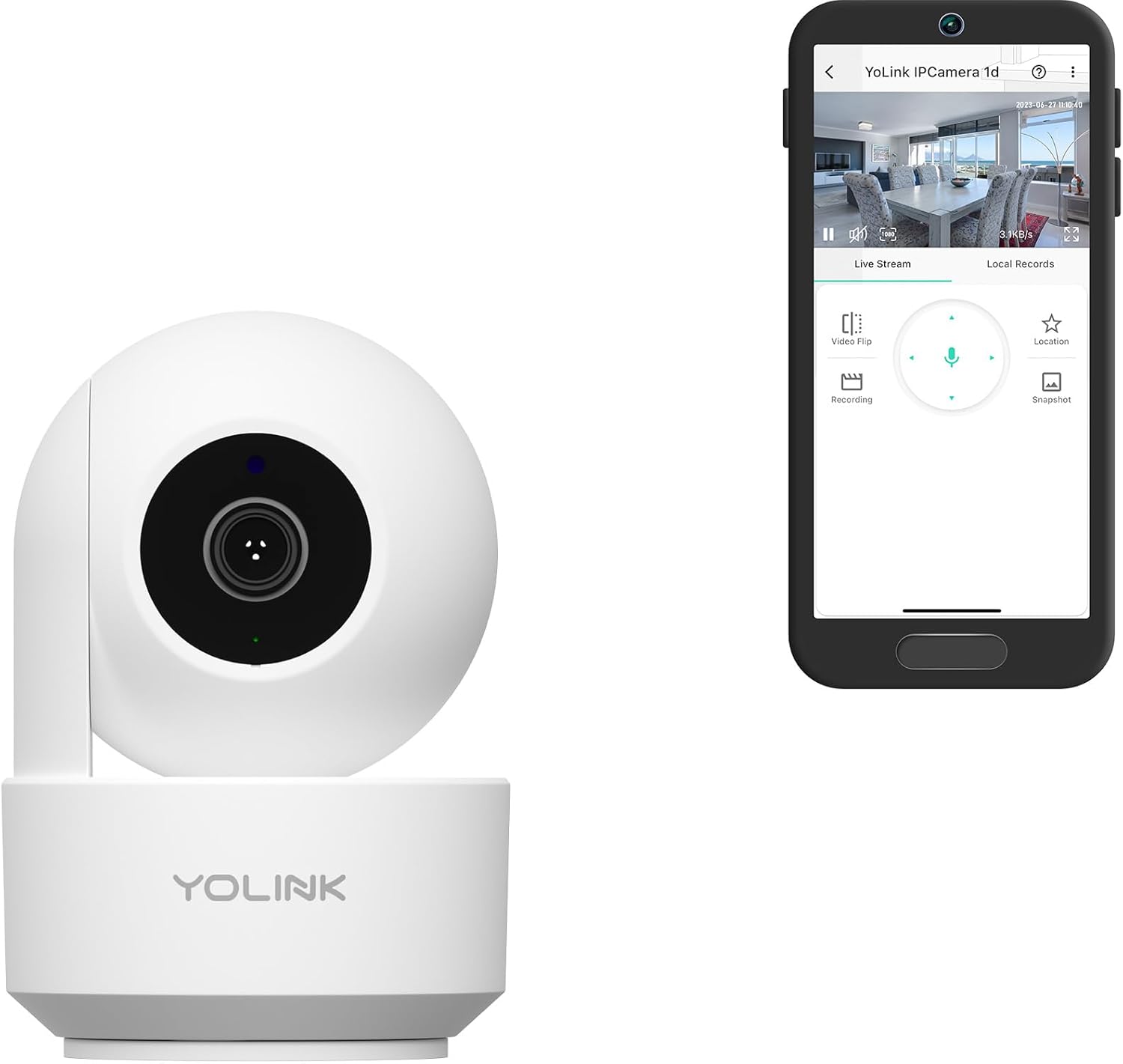
Where to Install Them
Recommended positions:
- At least one detector per floor
- One in each bedroom, or in the adjacent hallway
- Not directly in the kitchen (too many false alarms from cooking)
- For CO: at breathing height, not the ceiling (CO mixes with air and doesn't rise like smoke)
Replacement: Often Forgotten
Smoke detectors have a 10-year lifespan. Many people have detectors well beyond this limit without knowing it. The electrochemical sensors in CO detectors degrade even faster: 5 to 7 years for most models. Check the manufacturing date printed on the back of your current detector.
